Stages of Heart Failure in Dogs. In this early phase during which the heart.

Congestive Heart Failure In Dogs Treatment And Management
How the Canine Heart Works.
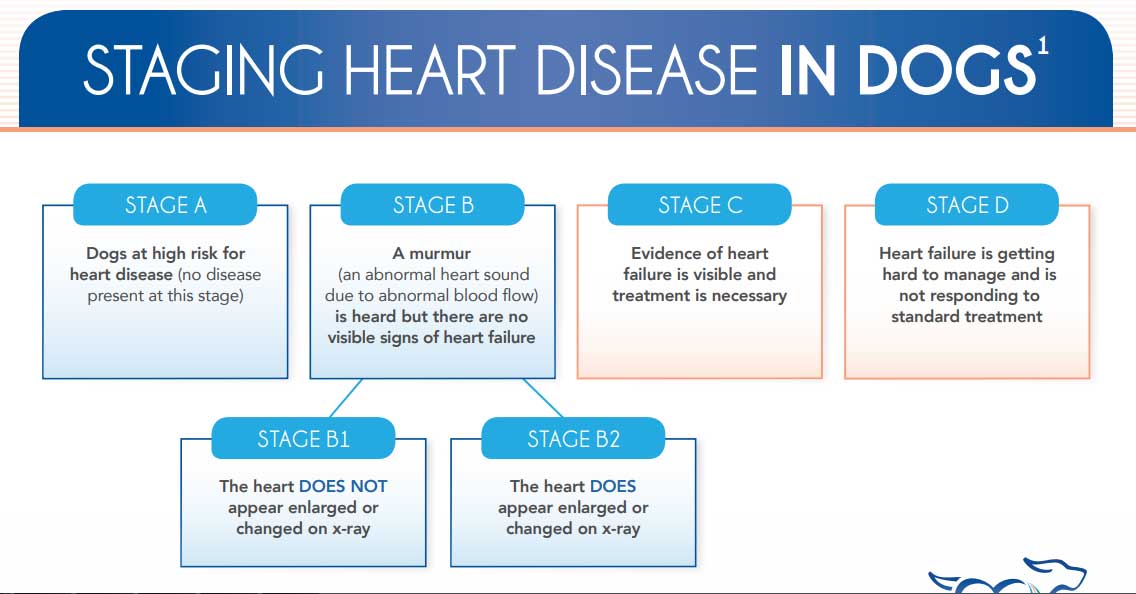
Canine heart failure stages. Dogs with heart disease cough for many reasons. This is achieved through the bottom chamber the heart is split into four chambers two located on the right and another two located on the left side. The acute phase is aimed at treating the congestion and supporting cardiac output.
Stages of Congestive Heart Failure. In this stage symptoms become more apparent even after short stints. Generally there is little youll notice during the first stage.
Signs Symptoms of End-Stage Canine Congestive Heart Failure Cuteness. Right-Sided Congestive Heart Failure. The dogs heart is beginning to deteriorate.
Dogs with structural heart disease that have not yet developed clinical signs of heart failure. Canines diagnosed with congestive heart failure are usually monitored for increased respiratory rate difficulty breathing weakness lethargy fainting and abdominal distension. As heart function decreases symptoms like fatigue and trouble breathing are common after exertion.
In congestive heart failure fluid is retained in specific parts of the body depending on the side of the heart that is diseased. Signs Of Heart Failure In Dogs. The EPIC Study looked at dogs in stage B2asymptomatic dogs with a heart murmur as well as cardiac enlargement.
Visible signs and symptoms have not yet presented themselves. A B C and D. Dogs with structural heart disease that have not yet developed clinical signs of heart failure.
In a change from the 2009 recommendations strong evidence now supports initiating treatment to delay the onset of. Dog Congestive Heart Failure Stages. Blood pressure Electrocardiogram ECG when cardiac arrhythmia is evident during clinical.
Step 1 The Canine Heart works in four different stages the first stage of the process is when the blood is pumped out of the Heart. Cough Dogs with heart disease have coughs that dont resolve within a few days. First Stage of Canine Congestive Heart Failure.
Symptoms like panting shortness of breath and fatigue especially after exercising begin to present themselves. DIAGNOSTICS - B1 B2. Treatment of congestive heart failure in dogs can be divided into two phases.
These are classified as Stage A B C and D of heart failure. Stage A identifies patients at high risk for developing heart disease but that currently have no identifiable structural disorder of the heart eg every Cavalier King Charles Spaniel without a heart murmur. This refers to the onset of heart failure and the development of clinical signs such as rapid andor.
A dog may begin to display these symptoms if their disease is worsening or if their condition can no. When diagnosing heart failure in dogs the veterinarian can typically break it down into 4 different stages. Fluid can begin to accumulate in the lungs because the heart isnt pumping efficiently.
As your dog progresses through the canine congestive heart failure stages youll notice an increase in lethargy swelling coughing and breathing problems. Scribes 4 basic stages of heart disease and failure. Visible signs and symptoms have not yet presented themselves.
The heart rate increases and the body adjusts to the changing blood flow by contracting the blood vessels. This triggers a bodily response to. The American College of Veterinary Internal Medicine recognises 4 stages of heart disease and failure in dogs.
It leads to the dog having a hard time breathing and a lot of coughing. Most dogs have a respiratory rate at home that is heart failure is starting to develop3. In the first stage the hearts function is just beginning to decline and there are rarely signs or symptoms.
This is potentially more critical for left-sided heart failure as pulmonary edema will result in dyspnea and urgent treatment is needed to avert death. Four functional classifications of Congestive Heart Failure CHF have been identified in dogs. While it is best to see a cardiologist to determine the true extent of your dogs condition there are a few ways to.
Most dogs with heart failure HF are stabilized with multimodal therapy including furosemide pimobendan and an angiotensin converting enzyme inhibitor ACEI. CLASS I Dog has no obvious signs of disease or distress. 2Cardiac and pulmonary auscultation 3 4Thoracic radiographs Echocardiography5.
Dogs with Stage B MMVD have no clinical signs of heart failure. There are 4 stages of CHF. Degenerative mitral valve disease DMVD or chronic valvular disease is the most common canine acquired heart disease in dogs and often leads to congestive heart failure1 Although other classification systems have been used to stratify the severity of disease the 2009 ACVIM Consensus Statement on the diagnosis and treatment of DMVD provided a new system.
Five common signs of heart disease in dogs include. Left-sided congestive heart failure LS-CHF the most common type is when blood leaks back through the mitral valve into the left atrium and then into the lungs. An increased respiratory rate is typically one of the first signs of fluid buildup in the lungs.
Basically there are four stages of heart failure in dogs. Going by the specifications of the American College of Veterinary Internal Medicine classification Stage C and D are more commonly associated with congestive heart failure. However despite the best therapy progressive and often refractory clinical signs develop.
If you have a dog that has been diagnosed with cardiac disease you should always be aware of the signs of heart failure. Your dog may also lose his appetite. Stage B identifies dogs with structural heart disease eg the typical murmur of mitral valve regurgitation accompanied by some typical valve pathology is present but that have never developed clinical signs caused by heart failure.
Dogs with no radiographic or echocardiographic evidence of. Stage B valve disease can be divided into Stage B1 and Stage B2 disease. These complications are life threatening for your pet and will begin to occur when they reach end stage heart failure.
Essentially the blood is causing the pup to drown in his own fluids which can be agonizing.
0 995. 24 mg E6 Zinc.

Clinicare Canine Feline Liquid Diet 8 Fl Oz Walmart Com
07 mg E4 Copper.

Clinicare canine feline liquid diet. No diluting mixing or addition of nutrients is required. CliniCare CanineFeline is an excellent choice for a liquid diet to deliver complete and balanced nutrition for adult dogs and cats that are ill injured or recovering. Add to Medicine Cabinet.
Some of the commercial products include CliniCare CanineFeline liquid diet Rebound Feline liquid diet PetAg liquid diet products and RenalCare CanineFeline liquid diet. CliniCare RF Liquid Cat Food is specifically formulated to provide reduced levels of protein and electrolytes and is ideal for renal or liver impaired. 27 mg E5 Manganese.
CliniCare CanineFeline Liquid from the makers of Ensure provides a nutritionally complete liquid diet to critically ill or recovering dogs and cats. CliniCare RF Liquid Diet meets AAFCO1 standards for maintenance of adult cats requiring. The liquid diets may have different formulas adapted for each cats needs.
CliniCare CanineFeline Liquid Diet 8 fl oz is formulated as a complete and balanced palatable liquid diet to meet the nutritional levels of adult dogs and cats as established by AAFCO Dog and Cat Food Nutrient Profiles for maintenance. No diluting mixing or addition of nutrients is required. CliniCare is convenient to use and comes ready to feed in a pop-top can.
CliniCare CanineFeline is a liquid diet that delivers complete and balanced nutrition to adult dogs and cats that are ill injured recovering or geriatric. 280 IU E1 Iron. CliniCare CanineFeline is a liquid diet that delivers complete and balanced nutrition to adult dogs and cats that are ill injured recovering or geriatric.
Clinicare RF Feline Liquid 8oz ITEM DISCONTINUED SEE BELOW FOR ALTERNATIVE. Clinicare CanineFeline Liquid from the makers of Ensure provides a nutritionally complete liquid diet to critically ill or recovering dogs and cats. A food that is routinely fed through a feeding tube for long term maintenance is called AD.
42 mg E8 Selenium. Calorie Content ME calculated. Nutritionally balanced high calorie diet designed to meet the needs of convalescing weak or ill dogs and cats.
Add to Medicine Cabinet. It can also be given to geriatric patients in the hospital or at home. Not for parenteral use.
Formulated to provide beneficial and essential nutrients recommended for. This formula meets the AAFCO standards for complete nutrition for adult dogs and cats. 285 mg E2 Iodine.
There are also products specifically for cats in renal failure including CliniCare RF. Some of the commercial products include clinicare caninefeline liquid diet rebound feline liquid diet petag liquid diet products and renalcare caninefeline liquid diet. Zoetis CliniCare RF Feline Liquid Diet is a ready-to-use formula with lower protein and lower electrolytes designed to meet the nutritional needs for adult cats with renal impairment.
CliniCare Liquid Diet is the first and only complete and balanced liquid diet that is ready to useNutritionally balanced with essential vitamins and minerals. For animal use only. CliniCare can be fed in a bowl with a syringe or feeding tubes.
CliniCare CanineFeline is an excellent first choice for a liquid diet to deliver complete and balanced nutrition for adult dogs and cats that are ill injured or recovering. These can be purchased from your vet or ordered from a variety of retailers online. CliniCare RF Feline is a critical need diet and can be given by stomach tube oral syringe or bowl feeding.
CliniCare CanineFeline Liquid Diet 8 fl oz is formulated as a complete and balanced palatable liquid diet to meet the nutritional levels of adult dogs and cats as established by AAFCO Dog and Cat Food Nutrient Profiles for maintenance. Clinicare can be fed in a bowl with a syringe or feeding tubes. Nutritionally balanced and complete for the adult cat.
CliniCare RF Liquid Cat Food is the first and only complete and balanced liquid diet thats ready to use when your patients need it most. CliniCare CanineFeline is a liquid diet that delivers complete and balanced nutrition to adult dogs and cats that are ill injured recovering or geriatric. Low-lactose milk caseinate soya protein concentrate maltodextrin.
Only liquid veterinary diets should be used for feeding through nasogastric and nasoesophageal tubes because of the small diameter of these tubes FIGURE 2. Delivers vital nutrients to help support recuperation in cats. CliniCare is convenient to use and comes ready to feed in a pop-top can.
Catsure provides optimal nutrition for seniors finicky eaters surgery and illness recovery and cats with additional calorie demand. CliniCare can be fed in a bowl with a syringe or feeding tubes. CliniCare CanineFeline Liquid Diet CliniCare CanineFeline is an excellent choice for a liquid diet to deliver complete and balanced nutrition for adult dogs and.
CLINICARE RF Feline Liquid Diet is formulated to meet the nutritional levels established by the AAFCO Cat Food Nutrient Profiles for adult maintenance. Cosequin Available for dogs and cats Cosequin plays an important role in maintaining optimal joint function. What is Clinicare CanineFeline Liquid Diet.
CliniCare is convenient to use and comes ready to feed in a pop-top can. 3660 IU Vitamin D3. Clinicare caninefeline liquid diet 8 fl oz is formulated as a complete and balanced palatable liquid diet to meet the nutritional levels of adult dogs and cats as established by aafco dog and cat food nutrient profiles for maintenance.
CliniCare CanineFeline Liquid Diet 8 fl oz is formulated as a complete and balanced palatable liquid diet to meet the nutritional levels of adult dogs and cats as established by AAFCO Dog and Cat Food Nutrient Profiles for maintenance. Incorporating CliniCare Into Your Practice is as Easy as A-B-C. CliniCare CanineFeline Liquid Diet meets AAFCO1 standards for maintenance ofadult dogs and cats.
Zoetis CliniCare CanineFeline Liquid Diet is a ready-to-use formula to meet the nutritional levels for adult maintenance. Feeding Tubes Long Beach Animal Hospital Feeding Technique. Zoetis CliniCare CanineFeline Liquid Diet is a ready-to-use formula to meet the nutritional levels for adult maintenance.
Clinicare Liquid Diet 8oz Can Rating. It can also be given to geriatric patients in the hospital or at home. Clinicare Feline Liquid Diet.
CliniCare is a critical need diet and is ideal for pets requiring a liquid diet until solid food can be eaten. Can be given with or without food.
Older dogs can lose muscle mass when pain prevents activity. The disease is inherited as an autosomal dominant characteristic and shows striking clinical and pathological features in common with human motor neuron disease.
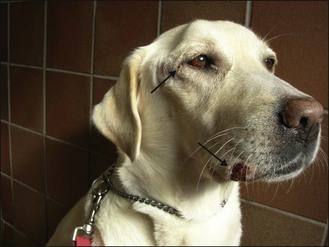
Unilateral Atrophy Of The Masticatory Muscle Veterian Key
Muscle wasting is often a sign of another illness requiring veterinary diagnosis and treatment.
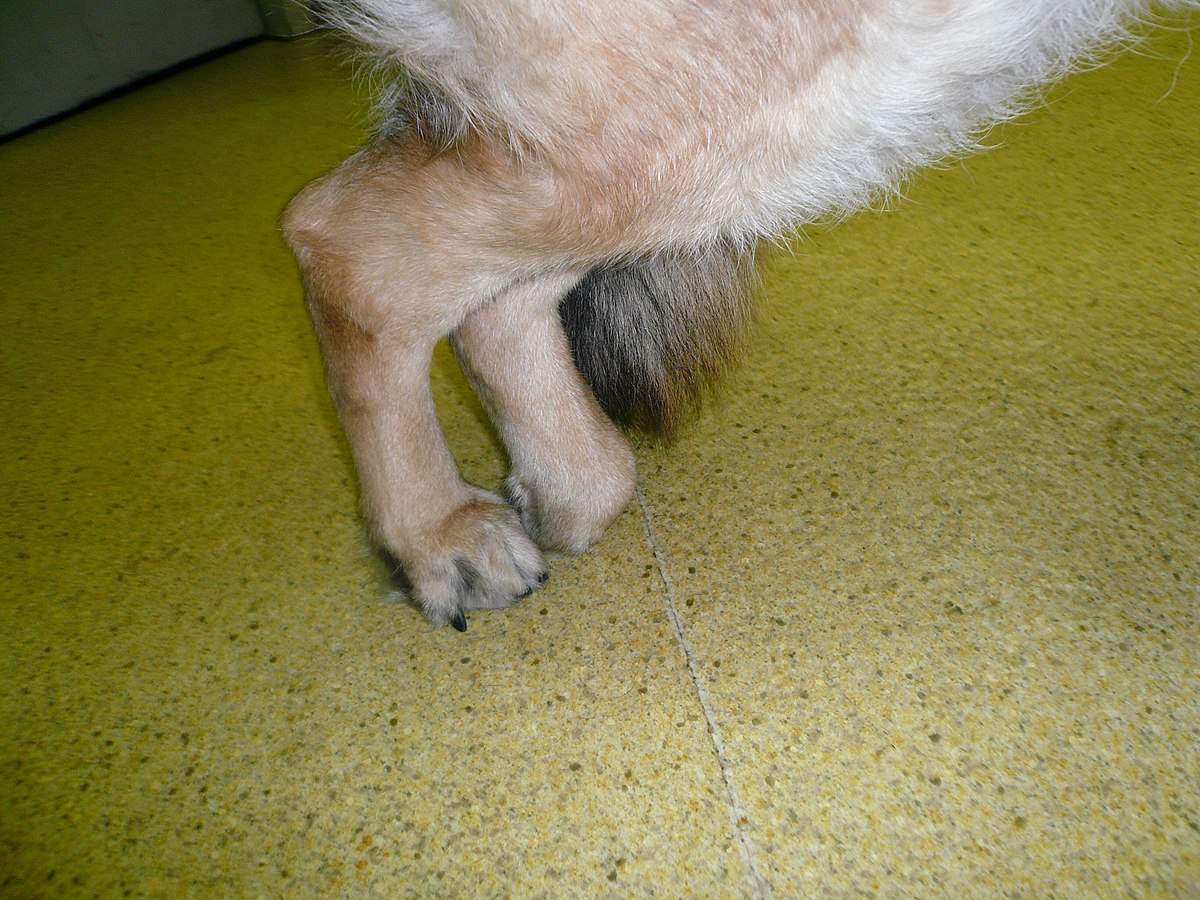
Canine muscle wasting disease. Labrador retriever myopathy is a muscle disease of unknown cause that is present at birth in some Labrador Retrievers. Hereditary canine spinal muscular atrophy is a newly recognized motor neuron disease occurring in Brittany Spaniels. But sometimes the signs of muscle atrophy arent as obvious and dont necessarily.
Canine wasting disease also known as visceral leishmaniasis is a deadly infectious disease transmitted by sand flies and by direct dog-to-dog transmission. As chronic wasting disease affects the function of the brain neurological or nervous system dysfunctionality in your pet may look a lot like symptoms of this prion disease. The masticatory muscles are the muscles involved with chewing.
And even though its unlikely theyve become the first case for canine chronic wasting disease they should be taken to a veterinarian as soon as possible for proper diagnosis and treatment. When atrophy results from an injury or surgery it may be fairly obvious. Progression of the disease leads to marked muscle atrophy of the temporalis and masseter muscles.
However the dogs have clinical signs of weakness and possible lameness as well as reluctance to exercise. Even though its completely natural to be inactive post-injury or surgery there are some cases where it could ultimately lead to muscle atrophy. However perhaps the most common reason that dogs and cats may experience muscle wasting include aging thyroid disease and disseminated aspergillosis.
Muscle atrophy is a type of muscle loss where your muscles start to waste away and although muscle atrophy is actually quite common in animals and humans it is still very important that this issue does not go ignored. Muscle atrophy of the muscles of mastication is usually an important feature of this disease. Her joints didnt see to bother her.
Other causes are lime disease myositis and degenerative myelopathy. But thats not always the case. The chronic inflammation leads to fibrosis and impedes full opening of the mouth though it is not painful.
What Is Muscle Atrophy. It often occurs in the legs particularly the hind legs although it can show up in other areas of the body. The condition appears to be inherited and has been known to occur in both yellow and black Labradors.
The clinical manifestations pattern of inheritance electrodiagnostic findings and muscle biopsies have features in common with human spinal muscular atrophy. The dog usually has difficulty moving its jaw which causes pain and problems when picking up food or drinking. Muscle atrophy happens when your dogs muscle tissues waste away because theyre no longer being used the way they were before.
Muscle atrophy in dogs is the wasting or loss of the dogs muscle tissue. But arthritis wasnt Allies problem. Dogs are usually brought in when they transition from the acute painful to the chronic muscle atrophy phase of the disease.
Signs become noticeable at less than 5 months of age and include wasting away of muscle stunted growth and weakness. Arthritis is a common cause of muscle loss. Masticatory muscle myositis MMM is an immune system disorder in which the dogs immune system identifies the dogs own muscle tissue as foreign and attacks it.
Canine arthritis is known to displace the work of dogs muscles thus causing some muscles to overcompensate while others are utilized less if. Masticatory and skeletal muscle myositis in canine leishmaniasis Leishmania infantum Twenty-four dogs with a parasitologically and serologically established diagnosis of leishmaniasis were studied to investigate the atrophy of the masticatory muscles which commonly occurs in this disease and to compare the lesions in the masticatory muscles with. Dogs with MMM cannot open their mouths without excruciating pain.
Read on for signs to help you determine whether or not your dog is suffering and if so what to do about it. Some common causes of muscle wasting in dogs include myositis degenerative myelopathy hypothyroidism and some tick-borne diseases. It is also believed to be the result of an immune-mediated process.
Our studies show that old cats like dogs and humans also develop muscle wasting due to sarcopenia cachexia and metabolic diseases such as hyperthyroidism and diabetes. MMM causes these muscles to become swollen and painful. In fact muscle wasting in pets can be indicative of many different diseases and issues.
Masticatory Muscle Myositis initially causes swelling of the muscles on the top of the head followed a week or two later by progressive muscle wasting loss of muscles. Some degree of muscular atrophy can be caused by changing the ability to process protein. All of these disease presentations actually define the processes whereby wasting may occurinadequate intake of nutrients maldigestion malabsorption malnutrition increased losses of nutrients increased requirements for nutrients although this is not very common in chronic gastrointestinal diseases the inability to assimilate nutrients and lastly and in many.
Cachexia and sarcopenia are two important syndromes associated with muscle wasting that occur in acute and chronic disease and in aging respectively. The infection is typically acquired after one or more sand flies transmit the leishmania parasite into the skin of a host. A motor neuron disease hereditary canine spinal muscular atrophy has been discovered in Brittany spaniels.
For instance a dog who is taking antibiotics and prostglandins for an open pyometra may likely be vomiting because of the pyometra itself. Other signs that are seen are.
Three Things Dog Owners Should Know About Antibiotics Dogs Naturally
There are ways you can support your cat or dog with specific pet probiotics and reduce antibiotic side effects during and after treatment for improved health.

Canine antibiotic side effects. Kidney problems hearing losses. Diarrhea vomiting or constipation Note- Pets allergic to antibiotic class of penicillin will naturally be allergic to amoxicillin as well. While these are strictly tested and made for human consumption I am the only one in the United States successfully using them for dogs for over a decade now.
Broad spectrum use respiratory bladder skin and soft tissue infections. Other Serious Side Effects Stop giving your dog clindamycin and contact your veterinarian immediately if your dog experiences side effects such as fever chills achiness jaundice dark urine or reduction of urination. Potential Antibiotic Side Effects.
If your dog is suffering from diarrhea inflammatory bowel disease tooth or gum disease or parasites your vet may prescribe a drug called Metronidazole Flagyl. Vomiting can be a common side effect when taking antibiotics. Vomiting or stomach upset is also common because the antibiotic kills off both good and bad bacteria in the stomach causing nausea and an imbalance in the.
If your dog is vomiting this can be from taking Amoxicillin without giving your dog any food. Chances are your dog will come through this without having any nasty side effects. Important Notice I sell NSP Natures Sunshine herbs and supplements for your dog.
Against aerobic bacteria eg. If your dog is currently taking antibiotics for an infection you should be aware of the following possible side-effects. The most common side effects are symptoms of GI upset such as vomiting and diarrhea.
The Potential Side Effects of Antibiotics on Dogs. Respiratory bladder skin middle ear infections. It is in the same family as the antibiotic penicillin.
Cephalexin is a broad spectrum antibiotic. Though cat antibiotics or dog antibiotics can come with negative side effects like diarrhea they are crucial for helping your pet fight off infections. Home Dog Symptoms Antibiotic Side Effects.
However antibiotics are not without their drawbacks and they can sometimes cause harm to your pet. The most common side effect of your dog taking Amoxicillin is with the gastrointestinal tract. In this blog we explore the uses dosage and side effects of Metronidazole for dogs.
While antibiotics are an effective treatment they can have some minor side effects for your dog. Also they will undoubtedly withdraw as soon as the illness is gone. If you have seen any of the side effects or adverse reactions after using this antibiotic treatment re-visit your doctor and consult about the situation.
Severe GI symptoms could be a sign of a doxycycline overdose so be. Unfortunately along with their curative effect antibiotics can also have some negative side effects with the most common ones being. Dosage Uses And Side Effects.
If you mistakenly overdose the medicine it may also show side effects. The following are some of the most prevalent antibiotic adverse effects in dogs. Allergic reactions an allergic reaction caused by antibiotic Cephalosporin use may present with a large number of symptoms such as skin irritations.
Of course if you notice any of these symptoms in your dog please seek veterinary. But some types of dog antibiotics like Clavamox and Doxycycline seem to more. Safe but should not be used for dogs with penicillin allergies.
Take comfort in knowing that canine antibiotics are typically safe and serious side effects are rare. Some classes of antibiotics can cause neurologic effects like ataxia drunken gait dilated pupils head tilt to one side nystagmus involuntary rapid eye movement and even seizures. Antibiotics adverse side effects in dogs may include any or a combination of the following.
Cartilage deformities in young puppies. Gastrointestinal discomfort is often seen with many antibiotic classes and should be monitored to prevent secondary issues such as dehydration but long-term issues are uncommon. Lethargy is common as your dog just doesnt feel well as the antibiotic begins working.
Some of these are nausea vomiting diarrhea appearance of stains on the teeth loss of appetite and dehydration. When a dog vomits while taking antibiotics its important to determine if the vomiting is caused by the condition being treated or the actual antibiotics. Clavamox is generally well tolerated in dogs but there are some other side effects to watch out for.
The side effects which sometimes happen to dogs while they are using antibiotics to battle certain conditions are more unpleasant than serious. Never give your dog antibiotics without your veterinarians. The redness crusts and bumps on the skin of this dog is due to a bacterial infection This is treated with antibiotics and medicated baths for a few weeks If your pet has these lesions make sure to see your vet.
Rashes hives or other allergic reactions that manifest in skin irritations. Inflammation of the esophagus. Antibiotic Side Effects to Dog Symptoms.
Metronidazole For Dogs. Nausea vomiting diarrhea and a loss of appetite are side effects of some antibiotics. It can be hard to tell whether your dog is vomiting because of their sickness or because of the drugs.
Metronidazole is a commonly used antibiotic know to have these potential side effects. A broad spectrum antibiotic is one that can kill a lot of different kinds of bacteria. Cephalexin Side Effects in Dogs.
If a dogs body is hypersensitive to cephalosporins cefpodoxime proxetil it may show some unwanted consequences. We have made a list of the most common Ciprofloxacin side effects.
Whole body potassium depletion produces functional and morphological renal abnormalities. Muscular weakness polyuria and polydipsia anorexia and tachycardia are the most common clinical signs associated with hypokalemia.

Hypokalemia In Dogs Symptoms Causes Treatments Dogtime
Potassium is an important electrolyte within the body and is vital for the normal function of muscles and nerves.
Canine hypokalemia symptoms. Excessive potassium loss through vomiting or urinary sytem or reduced dietary intake anorexia. A dog might have difficulty urinating or produce very little pee. Reference to symptoms such as lethargy apathy drowsiness confusion irritability delirium and coma in hypokalemia are rare 1 and suggest that an associated acid-base disturbance or other electrolyte abnormality may have been responsible for these encephalopathic symptoms.
Symptoms of Hypocalcemia in Dogs. Laboratory measurement of potassium. Your dog may also experience.
In some cases if the condition is mild dogs may not show any symptoms until their calcium levels fall very low. Hypokalemia is another common symptom where you have low potassium levels which may pose a threat to their kidneys. Polyuriapolydipsia associated with hypokalemia results from impaired renal responsiveness to ADH.
If your dog has been displaying any symptoms unusual to them it is always best to check with your veterinarian. These symptoms may not be recognized until you perform any blood work for your dog. If you see any of the following signs of hypokalemia in your dog then get to your vet right away.
Muscle tremors twitching or spasms. Significant muscle weakness occurs at serum potassium levels below 25 mmolL but can occur at higher levels if the onset is acute. Symptoms resolve with correction of the hypokalemia.
Symptoms of hypocalcemia in dogs can vary based on the cause and severity of the condition. Hypokalemia can be life-threatening so if your dog has a. Electrocardiographic changes in hypokalemia are not specific although supraventricular and ventricular arrhythmias may occur.
Hypokalemia associated Paralysis after administration of Intravenous Methyl prednisolone in a patient with Graves thyrotoxicosis and Ophthalmopathy2-3. Hypokalemia can manifest with symptoms such as. Clinical signs include muscle weakness cramping fasciculations paralytic ileus and when hypokalemia is severe hypoventilation and hypotension.
Some dogs dont show symptoms at all while others are severely affected. Conversely if his potassium level climbs too high your dog is suffering from hyperkalemia. Distemper is one of the most serious diseases your dog can get.
In mild cases dogs may not display low potassium symptoms but as the deficiency becomes more severe your dog may show signs such as muscle weakness and loss of appetite. This is where you would look for weakness or fatigue. Cats are usually presented with ventroflexion of the neck.
Symptoms can be caused by hypokalemia directly however they can also the product of the underlying diseases causing the low potassium levels. Hypokalemia or low blood potassium is usually a symptom of chronic kidney failure or another medical condition. Nov 15 2016 4 Minutes.
If you notice the symptoms developing over time an increasingly stiff gait or muscle loss bring them to. The dogs heart rate slows considerably because excess potassium disrupts his blood circulation. Face rubbing against objects.
It is also crucial to keep your dogs iron levels in check. Abnormally low potassium concentration in the blood. Hypokalemia is a term that refers to a low blood concentration of potassium.
It is also one of the most preventable. When your dogs potassium level dips too low the condition is referred to as hypokalemia. In cats with chronic renal failure mild hypokalemia may be associated with decreased activity which owners assume is due to advancing age.
Naranjo dverse drug reaction probability scale was applied to quantify the degree of association between Prednisolone and Hypokalemia and it was found to be 8 Probable. The condition can be acute meaning it appears suddenly with very strong symptoms or it can also appear gradually and worsen with time. Cerebral symptoms in hypokalemia are distinctly unusual.
Hypokalemic periodic paralysis HKPP is a rare genetic disorder with autosomal dominant inheritance and characterized by recurrent attacks of skeletal muscle weakness with associated hypokalemia which is precipitated by stress cold carbohydrate load infection glucose infusion hypothermia metabolic alkalosis anesthesia and steroids. ECG changes typically occur when serum potassium is 3 mEqL 3 mmolL and include ST segment sagging T wave depression and U wave elevation. A dog can show signs of paralysis but his limbs remain flexible not stiff even if the animal cant move them.
Nov 15 2016 4 Minutes. Diagnosis of Hypokalemia in Dogs. Loss of muscle mass.
Low potassium symptoms in dogs. -Symptoms are sparse Cardiac arrest was a presenting symptom in 43 of 1803 patients hospitalized at a tertiary care center with serum K 65-ECG is insensitive for diagnosis of hyperkalemia. More obvious symptoms include lethargy and outright collapse.
Similar to the weakness associated with hyperkalemia the pattern is ascending in nature affecting the lower extremities progressing to involve the trunk and. Here are the. Hypokalemia is a manifestation of disease NOT A DIAGNOSIS.
The normal reference range for a dogs blood potassium level falls between 36 and 55 mEqL. Mild to moderate hypokalemia often does not cause clinical sigs but severe hypokalemia can result in generalized muscle weakness lack of appetite and some dogs may become.